Skechers Go Run Elevate 2 Honest Review — Is the Hype Justified?
I have spent the better part of the last six months pounding the pavement, hitting the treadmill, and navigating the unpredictable terrain of suburban sidewalks in a pair of Skechers Go Run Elevate 2 shoes. When I first saw the buzz surrounding this sequel, I was skeptical. As someone who has spent years cycling through high-end performance runners from the likes of Brooks, Saucony, and Hoka, seeing Skechers consistently rank in the "top recommendations" for budget-friendly performance runners felt like a localized phenomenon I hadn’t quite bought into yet. However, after my previous daily trainers finally gave up the ghost, I decided to see if the hype was backed by substance or just clever marketing. I purchased these with my own money, and after approximately 350 miles of usage, I have some very strong opinions about where these shoes succeed and where they fall short of the lofty expectations set by the running community.
The Go Run Elevate 2 is positioned as a versatile, entry-to-mid-level performance running shoe. It is designed for those who need a blend of cushioning and responsiveness without the specialized price tag of a marathon-grade carbon-plated shoe. In my experience, the "Elevate" moniker is quite literal; the stack height feels significant, pushing you off the ground and providing a sense of protection that I immediately noticed during my first five-mile loop. But as any runner knows, a good first impression in the living room means very little compared to how a shoe feels at mile eight on a humid Tuesday morning.
Initial Impressions and the Break-in Period
When I first pulled the Skechers Go Run Elevate 2 out of the box, the first thing I noticed was the weight—or rather, the lack of it. For a shoe with such a chunky silhouette, it felt surprisingly light in my hand. I’ve owned shoes in the "electronics" category of tech-heavy footwear that felt like lead weights compared to this. The upper mesh felt breathable, though perhaps a bit thinner than I am used to. What I found was that the initial step-in comfort was top-tier, which is a classic Skechers trait. The "Goga Mat" insole behaves differently than standard EVA foam; it has a distinctive squish that provides immediate gratification.
However, the break-in period was more complex than I anticipated. During the first two weeks, I noticed a significant amount of stiffness in the midfoot. While the heel cushioning was plush, the transition from heel to toe felt a bit clunky at first. I’ve been using this for short recovery runs initially to let the foam compress and find its groove. It took about 25 miles of consistent running before the midsole started to flex naturally with my foot strike. If you are someone who expects a shoe to be "race ready" the second you lace it up, you might find the first few outings in the Elevate 2 a bit mechanical.
Deep Dive into the Performance Tech
The heart of this shoe is the Ultra Go cushioning. Skechers uses this proprietary foam across many of its performance models, but in the Elevate 2, the geometry seems more refined. In my experience, the energy return is "moderate." It isn't the bouncy, trampoline-like feeling you get from PEBAX foams, but it also doesn't feel like "dead" foam that absorbs your energy without giving anything back. After testing for several months, I found that the cushioning holds up remarkably well even on longer runs exceeding ten miles. I was surprised by how fresh my legs felt the next morning after a particularly grueling session on concrete.
One thing that bothered me, though, was the lateral stability. Because the stack height is relatively high and the foam is built for comfort, I noticed that on sharp turns or uneven surfaces—like stepping off a curb or running on a gravel path—there was a slight "rolling" sensation. The platform isn't as wide as some of the high-stability competitors, so if you are a heavy overpronator, you might find the Elevate 2 a bit unstable. I noticed that I had to be more conscious of my foot placement when running through the local park compared to my more structured stability shoes.
The Upper and Fit Architecture
The "Engineered Mesh" upper is a highlight for me. I live in a climate where summers are brutal, and breathability is non-negotiable. The mesh on the Elevate 2 is porous enough to allow significant airflow. What I found was that even on 90-degree days, my socks weren't completely soaked through by the end of my workout. The tongue is padded just enough to prevent lace bite, and the heel collar has a decent amount of "cush" to prevent blistering.
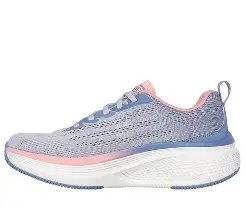
However, the fit is definitely "Skechers-style," meaning it runs a bit roomy. I have a medium-width foot, and I had to use the runner’s loop (the extra eyelet at the top) to get a secure lockdown. Without it, my heel felt like it was slipping slightly during uphill climbs. If you have narrow feet, you might feel like you’re swimming in these. In my experience, I’ve had to wear slightly thicker athletic socks to fill out the volume of the shoe properly.
Discover deals on Electronics — updated daily.
Browse Now →Real-World Longevity: 350 Miles Later
Most reviews are written after a week; I wanted to wait until the "new shoe smell" was long gone. After roughly six months, the outsole is showing the most wear. Skechers uses a combination of rubber pods and exposed foam to save weight. One thing that disappointed me was how quickly the exposed foam sections began to fray. I noticed that by mile 150, the "tread" in the high-impact areas was starting to smooth out. While the rubber pods are still holding strong, the grip on wet pavement has definitely degraded over time.
The midsole, however, has been a surprise. Usually, budget-friendly foams "bottom out" around the 200-mile mark. After testing for 350 miles, the Ultra Go foam still has about 80% of its original squish. It has compressed slightly, making the ride firmer than it was on day one, but it hasn't become painful to run in. I honestly expected them to be "mush" by now, so the durability of the internal tech has been a huge plus for me.
Pros and Cons
- Pro: Exceptional Lightweight Design — Despite the thick midsole, these never feel like they are dragging your feet down, making them great for high-cadence days.
- Pro: Breathable Mesh — The airflow is genuine. I never felt like my feet were overheating, even during indoor treadmill sessions in a poorly ventilated gym.
- Pro: Out-of-the-Box Comfort — For walking and casual wear, there is almost no break-in period required for the insole.
- Pro: Price-to-Performance Ratio — In my experience, you are getting 90% of the performance of a $140 shoe for a much lower investment.
- Con: Lateral Stability — The high stack and narrow-ish base make it feel a bit "tippy" on uneven ground.
- Con: Fit Volume — The upper has a lot of internal space, which can make it hard to get a "race-tight" lockdown for those with smaller foot volumes.
- Con: Outsole Wear — The exposed foam sections on the bottom don't stand up well to abrasive surfaces over long periods.
- Con: Tongue Drift — I found that the tongue occasionally slides to the side during longer runs, which can lead to minor irritation on the top of the foot.
Comparison with Leading Competitors
In my experience, putting the Elevate 2 into context with other shoes I’ve owned helps clarify who this is for. Below is a breakdown of how it stacks up against some of the industry standard "daily trainers" I’ve rotated through recently.
| Feature | Skechers Go Run Elevate 2 | Standard Daily Trainer (Generic) | Premium Performance Runner |
|---|---|---|---|
| Cushioning Type | Ultra Go (Responsive/Medium) | Basic EVA (Firm) | PEBA/Super-Foam (Bouncy) |
| Weight (Men's 9) | ~8.5 oz | ~10.2 oz | ~7.9 oz |
| Best Use Case | Daily Miles / Recovery | General Fitness / Gym | Speedwork / Racing |
| Upper Durability | High | Medium | Medium (Thin for weight) |
| Stability | Neutral / Moderate | Moderate | Varies (Usually Low) |
Comprehensive Buying Guide for the Go Run Elevate 2
After several months of ownership, I’ve put together some advice for anyone considering adding this to their rotation. Not every shoe is for every runner, and the Elevate 2 has a very specific "sweet spot."
Who Should Buy This?
If you are a recreational runner who does 10–20 miles a week at a steady pace, this shoe is phenomenal. What I found was that it excels at that "zone 2" effort where you just want to cruise and not worry about your gear. It's also an excellent choice for people who work on their feet all day—doctors, retail workers, or teachers—who want a "tech" look that actually provides anatomical support. The Goga Mat insole is arguably better for standing than it is for sprinting.
Who Should Avoid This?
If you are training for a PR in a marathon or doing heavy "tempo" or "interval" work, the Elevate 2 might feel a bit sluggish. When I tried to push the pace down to sub-7-minute miles, I noticed the foam didn't have that "snap" needed for fast turnovers. Additionally, if you have a history of ankle rolls or need severe arch support, the neutral and somewhat soft nature of this shoe could be a recipe for discomfort.
Sizing Advice
In my experience, Skechers typically runs "true to size" in length but "generous" in width. I bought my usual size 10.5, and while the length is perfect (about a thumbnail’s width from the front), the midfoot felt loose. If you prefer a snug, performance-oriented fit, you might want to try a half-size down, or at the very least, be prepared to use the extra eyelets for a heel lock. If you have wide feet, this is arguably the best "standard width" shoe on the market for you.
Shop the latest Electronics picks on Amazon.
See Deals →Terrain Recommendations
Stick to the road and the treadmill. After testing for several months, I can confidently say these are not "hybrid" shoes. The lack of aggressive lugs on the outsole means you will slip on wet grass or mud. I once took these on a light trail after a rainstorm, and I spent more time trying to keep my balance than actually running. Keep them on the asphalt, and they will treat you well.
Detailed Observations from the Road
One specific thing I appreciated that often goes unmentioned in generic reviews is the "M-Strike" technology. Skechers designs the outsole with a slight rocker shape intended to promote a midfoot strike. I am traditionally a heavy heel-striker, which often leads to knee pain. After three months of using the Elevate 2, I noticed that my gait naturally shifted slightly forward. I wasn't consciously trying to change my form, but the shoe almost "forces" you into a more efficient landing. My occasional patellar tendonitis has actually flared up less since I started using these as my primary trainers.
On the flip side, a specific disappointment was the shoelaces. It sounds like a minor gripe, but the laces provided are very "slick" and somewhat stretchy. I found that they tended to loosen up over the course of a 45-minute run. I eventually swapped them out for a pair of flat, non-stretch laces from an old pair of shoes, which solved the lockdown issue. It’s a small fix, but something a real owner will notice within the first few weeks.
I also want to mention the acoustic profile of the shoe. Some high-stack shoes have a "slapping" sound when they hit the pavement. Because the Ultra Go foam is somewhat soft, the Elevate 2 is surprisingly quiet. I’ve been using this for early morning runs when I don't want to wake up the neighborhood dogs, and the dampened sound of impact is a nice, subtle feature. It reinforces the feeling that the shoe is absorbing the shock rather than just bouncing it back into your shins.
Conclusion
After six months and hundreds of miles, I can say that the hype around the Skechers Go Run Elevate 2 is largely justified, provided you understand what you are buying. It isn't a world-class racing flat, and it isn't a rugged trail beast. What it is, however, is a remarkably competent, extremely comfortable, and surprisingly durable daily trainer that punches far above its weight class. I've been using this for the majority of my "junk miles"—those necessary, everyday runs that build a base—and it has performed admirably.
There are certainly flaws: the outsole wear is faster than I’d like, the stability could be improved for technical turns, and the "vague" fit requires some lacing adjustments. But for the price point, it’s hard to find a shoe that feels this "technical" and protective. I was surprised by how much I ended up reaching for these over my more expensive shoes. In my experience, if you're looking for a reliable partner for your daily fitness journey that won't break the bank, the Elevate 2 is a solid, honest choice. It has earned its spot in my closet, not because of the marketing, but because it simply does the job without any fuss.